Stress and heart health are closely linked. Everyone feels stress, and for most people it passes. But when stress is intense or keeps going for months, it can raise blood pressure, disturb sleep and push people towards habits that harm the heart. This guide explains what is known about how stress affects your heart, what the evidence does and does not show, and practical steps to manage it.
Key points at a glance
- Sudden stress speeds up the heart and can raise blood pressure.
- In people who already have heart disease, mental stress can reduce blood flow to the heart.
- Studies show an association between stress and heart disease, not proof that stress alone causes it.
- Exercise, sleep, relaxation and support help, and chest pain should never be ignored.
Stress and Heart Health: How Does Stress Affect the Heart?
When you are stressed, the body releases hormones such as adrenaline and cortisol, which trigger the "fight-or-flight" response. According to Harvard Health, heart rate speeds up and blood pressure may rise in a sudden stressful situation. In people with heart disease, emotional stress may reduce blood flow to parts of the heart, a problem called mental stress ischemia. A 2021 study in JAMA of about 900 people with heart disease found that those who had reduced blood flow only during mental stress were about twice as likely to have a heart attack or heart failure over the next five to six years. The article notes that this was an observational study, so it shows an association, not proof of cause, and it applies to people who already have heart disease.
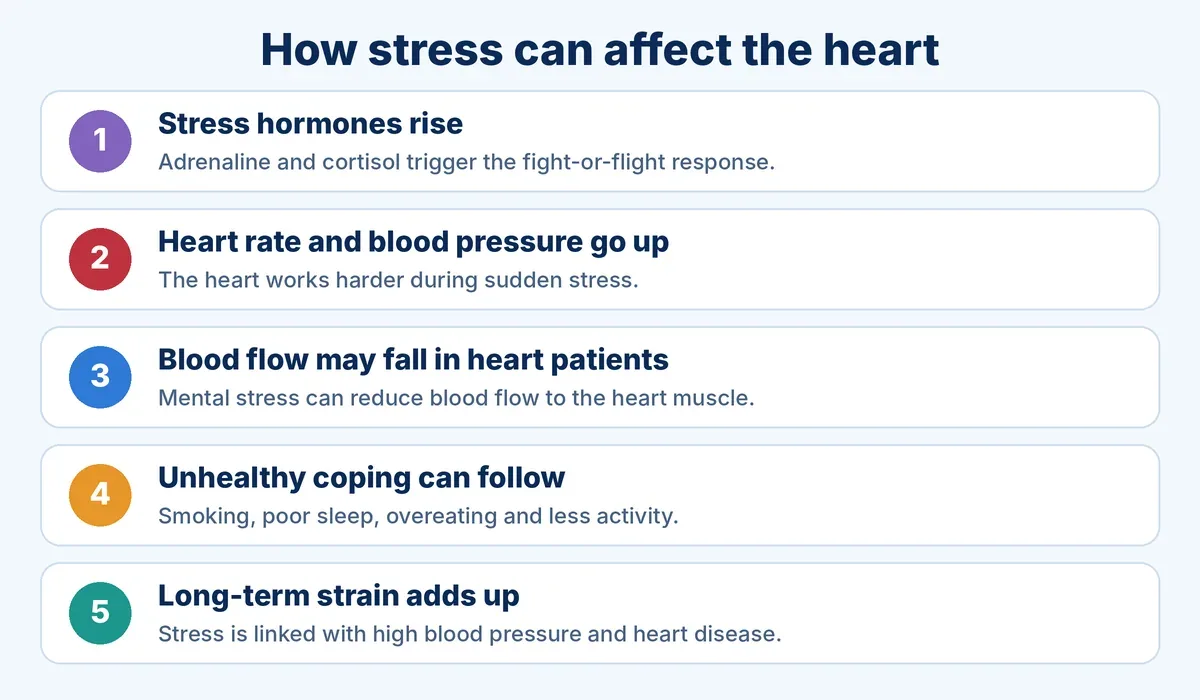
Stress affects the heart through hormones, blood pressure and the habits we turn to when stressed.
Is Stress a Cause of Heart Disease?
The American Heart Association notes that prolonged mental stress is linked with heart disease and high blood pressure, and that a 2019 study following people for 27 years found higher rates of heart disease among those with stress disorders. Even everyday stress matters, and the way you recover from it. Stress is rarely the only cause. The main risk factors remain high blood pressure, high cholesterol, diabetes, smoking and family history. Read more about the lipid profile test and cholesterol and heart disease.
Stress and unhealthy habits
People under stress may smoke more, sleep less, eat poorly, drink more alcohol or stop exercising. These habits raise heart risk on their own, and they may be a large part of how stress harms the heart. Read about heart-healthy diet choices and the effect of coffee on the heart.
Can Stress Cause a Heart Attack or Palpitations?
Sudden intense stress, such as a bereavement, can cause "broken heart syndrome" (stress-induced cardiomyopathy), a temporary weakening of the heart whose symptoms resemble a heart attack, according to the American Heart Association. Stress and anxiety are also common triggers of palpitations. Read our guides on heart palpitations, chest pain: heart or gas and heart attack symptoms. Because these conditions can look alike, chest pain always needs to be checked.
How to Manage Stress for a Healthier Heart
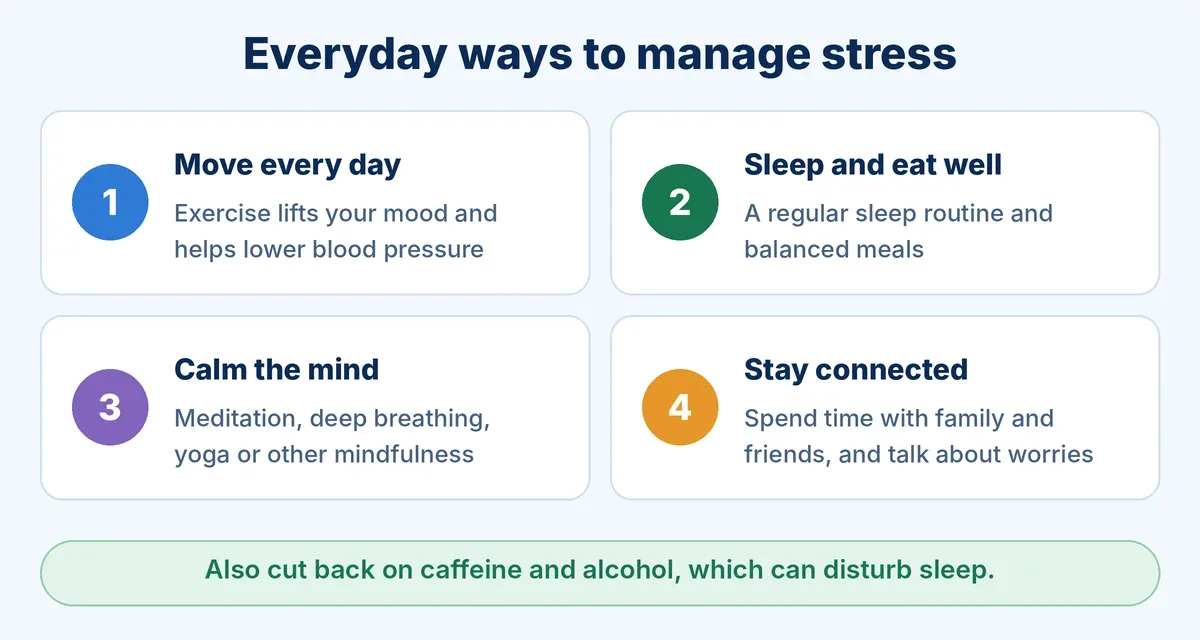
Simple daily habits can ease stress and also protect the heart.
- Exercise: it releases mood-lifting endorphins and lowers blood pressure. See how regular exercise improves heart health.
- Sleep and eat well: keep a regular sleep routine and balanced meals, and cut back on coffee and alcohol, which can contribute to insomnia.
- Mindfulness: meditation, deep breathing, the relaxation response or yoga can calm the stress response. Harvard Health says practising stress-reduction techniques on your own has no downside beyond the time involved, though whether stress-management training lowers heart risk is still being studied.
- Stay connected: keep up relationships and share your worries with family or friends.
- Focus on what you can control, and take breaks from constant work pressure.
- Look after your heart: see more in our cardiovascular health tips.
When to See a Doctor
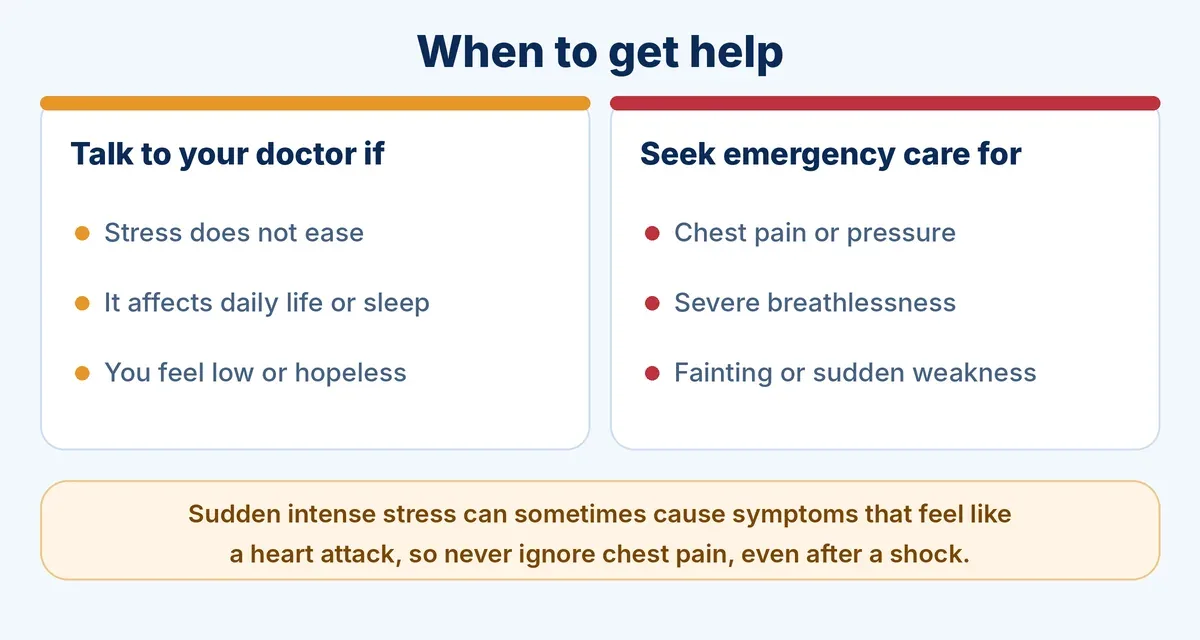
Never ignore chest pain, even after a stressful event.
The American Heart Association advises talking to a health care provider if stress does not subside or interferes with daily life, and seeking help for ongoing stress or signs of depression. Chest pain or pressure, severe breathlessness or fainting need emergency care, even if you think stress is the cause. See the warning signs of a cardiac emergency and the signs of an unhealthy heart.
Heart Care in Jaipur
Dr. Prashant Dwivedi is an interventional and structural heart cardiologist practising at the Eternal Heart Care Centre and Research, Jaipur. If stress comes with palpitations, chest discomfort or breathlessness, a heart check-up can show whether your heart is affected. You can book an appointment. For sudden chest pain or fainting, go to the nearest hospital emergency.
Frequently Asked Questions
Can stress cause heart disease?
Studies link long-term stress with heart disease and high blood pressure, but stress is rarely the only cause. Habits such as smoking and poor sleep, and risk factors such as high blood pressure and cholesterol, also play a role.
Can stress cause chest pain?
It can. Stress and anxiety can cause chest discomfort and palpitations. Because the symptoms can resemble a heart attack, always get chest pain checked.
What is broken heart syndrome?
It is a temporary weakening of the heart, usually after sudden intense stress, with symptoms that resemble a heart attack. It needs urgent medical evaluation.
How can I reduce stress for my heart?
Exercise regularly, sleep well, eat a balanced diet, limit caffeine and alcohol, practise relaxation such as deep breathing or yoga, and stay in touch with family and friends.
When should I see a doctor for stress?
See a doctor if stress does not ease, affects your daily life or sleep, or if you feel low or hopeless. Seek emergency care for chest pain, severe breathlessness or fainting.
This article is for general educational purposes only and does not replace personal medical advice, diagnosis or treatment. Please consult a qualified cardiologist about your own condition. In an emergency, go to the nearest hospital.
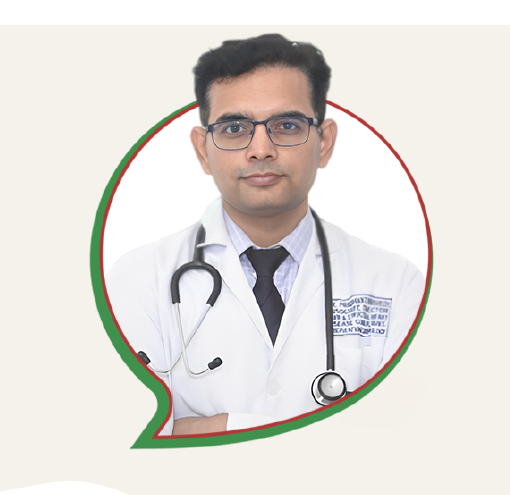
Dr. Prashant Dwivedi
Interventional and Structural Heart Cardiologist. Director of the TAVR and Structural Heart Program, Eternal Hospital, Jaipur.