Heart palpitations are the feeling that your heart is racing, pounding, fluttering or skipping a beat. They can be unsettling, but they are often harmless. Sometimes, though, they are a sign of a heart rhythm problem, so it helps to know the common causes, the warning signs and the tests your doctor may suggest. This guide explains heart palpitations in simple language, including when to worry and when to get urgent help.
Key points at a glance
- Palpitations can feel like a fast, pounding, fluttering or skipping heartbeat, felt in the chest, throat or neck.
- Stress, caffeine, nicotine, fever and hormone changes are common triggers.
- Brief, occasional palpitations usually do not need testing, but frequent or worsening ones do.
- Palpitations with chest pain, fainting, severe breathlessness or severe dizziness are an emergency.
What Are Heart Palpitations?
According to the Mayo Clinic, heart palpitations are feelings of a heart that is beating too fast, flip-flopping, fluttering, pounding or skipping beats. You may feel them in your throat or neck as well as in your chest, and they can occur during activity or at rest. Most of the time they are not serious, but they can occasionally signal an arrhythmia, which is an irregular heart rhythm.
What Causes Heart Palpitations?
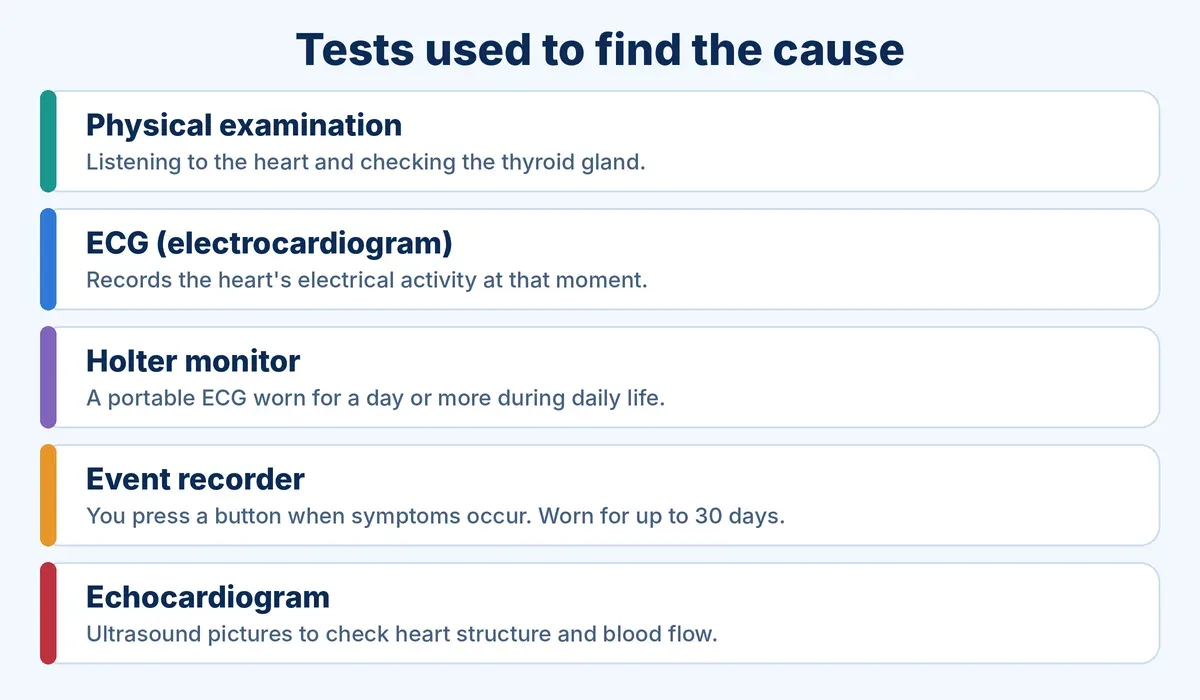
Many palpitations have a harmless trigger, but sometimes they point to a heart rhythm problem.
- Strong emotions: stress, anxiety, panic attacks and depression.
- Strenuous exercise: a fast heartbeat is expected with effort.
- Stimulants: caffeine, nicotine, energy drinks, cocaine, amphetamines and cold or cough medicines containing pseudoephedrine. Mayo Clinic also lists too much alcohol.
- Fever and illness.
- Hormone changes: during periods, pregnancy or menopause.
- Thyroid problems: too much or too little thyroid hormone.
The Mayo Clinic notes that often the cause of palpitations cannot be found. Your risk is higher if you have anxiety, are pregnant, take stimulant-containing medicines, have an overactive thyroid, or have a heart problem such as a structural heart change, a previous heart attack or earlier heart surgery.
Heart conditions that can cause palpitations
Palpitations can be a symptom of an irregular rhythm such as atrial fibrillation, and may occur with valve disease such as mitral regurgitation or aortic stenosis, or with heart failure. Read about the other signs of an unhealthy heart.
When Should You Worry About Palpitations?
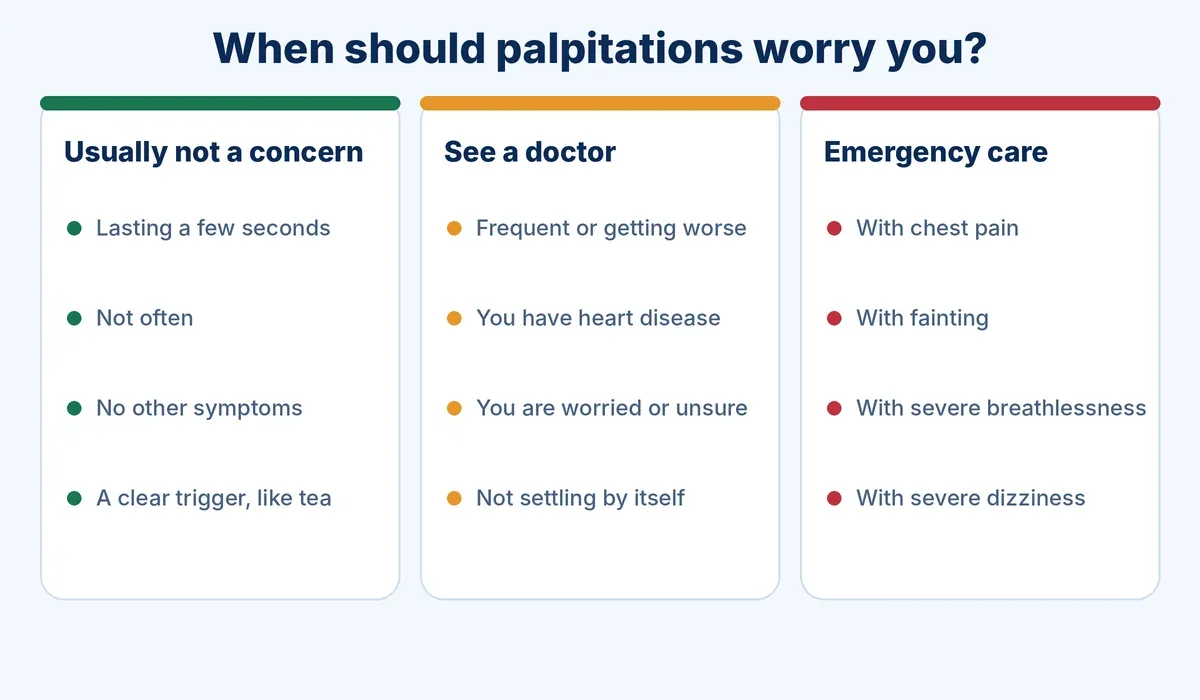
Palpitations with chest pain, fainting, severe breathlessness or severe dizziness need emergency care.
- Usually not a concern: Mayo Clinic says infrequent palpitations lasting only a few seconds usually do not need evaluation.
- See a doctor: if you have heart disease and the palpitations are frequent or getting worse, talk to your doctor. You may need heart-monitoring tests. It is also sensible to get checked if palpitations are frequent, worry you or do not settle on their own.
- Seek emergency care: if palpitations come with chest pain or discomfort, fainting, severe shortness of breath or severe dizziness. See the warning signs of a cardiac emergency and our guide to chest pain: heart or gas.
Possible complications when a heart problem is the cause
When palpitations are due to a heart condition, complications can include fainting, heart failure, and, with atrial fibrillation, blood clots that can cause a stroke. Rarely, a life-threatening rhythm problem can cause cardiac arrest. This is why palpitations that keep returning should be checked.
How Are Palpitations Diagnosed?
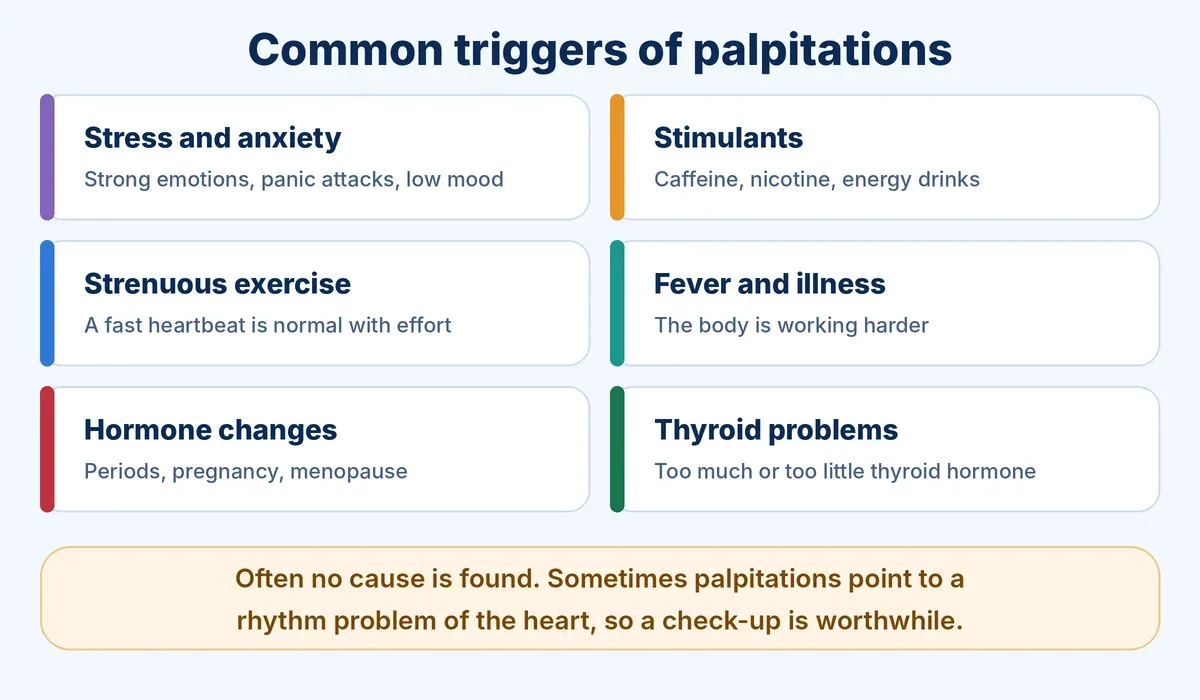
These tests can catch an abnormal rhythm that is not present during a short visit.
The Mayo Clinic lists these common tests. The doctor listens to your heart and may check your thyroid. An ECG records the heart's electrical activity and shows whether the heart beats too slowly, too fast or irregularly. A Holter monitor is a portable ECG worn for a day or more, and it can catch palpitations that a standard ECG misses. An event recorder, which you activate when you feel symptoms, is usually worn for up to 30 days and may be suggested if symptoms occur less than once a week. An echocardiogram uses ultrasound to look at the structure and blood flow of the heart.
Treatment and What You Can Do
If palpitations are not caused by a heart condition, they rarely need treatment, and doctors usually advise avoiding triggers. If an arrhythmia or another heart condition is the cause, treatment focuses on that condition, and your cardiologist will plan it.
- Manage stress: try meditation, yoga or deep breathing.
- Limit stimulants: cut down on caffeine, nicotine, energy drinks and alcohol, and ask a doctor or pharmacist before using cold medicines.
- Avoid illegal drugs such as cocaine and amphetamines.
- Keep a diary: write down when palpitations happen, how long they last and what you were doing, and share this with your doctor.
- Look after your heart: see our guides on regular exercise, heart-healthy diet and coffee and the heart.
Heart Palpitations Check-up in Jaipur
Dr. Prashant Dwivedi is an interventional and structural heart cardiologist practising at the Eternal Heart Care Centre and Research, Jaipur. If you have repeated palpitations, a heart check-up helps find out whether the rhythm is normal. You can book an appointment. For palpitations with chest pain, fainting or severe breathlessness, go to the nearest hospital emergency.
Frequently Asked Questions
Are heart palpitations dangerous?
Most are harmless and related to stress, caffeine or exercise. But they can sometimes be caused by a heart rhythm problem, so frequent or worsening palpitations should be checked.
When should I go to the emergency room for palpitations?
Go to the emergency if palpitations come with chest pain or discomfort, fainting, severe breathlessness or severe dizziness.
Can anxiety cause palpitations?
Yes. Stress, anxiety and panic attacks are common causes. Still, because the feeling can resemble a heart rhythm problem, a doctor should check you if it keeps happening.
Which test finds the cause of palpitations?
An ECG is usually the first test. If your palpitations come and go, a Holter monitor or an event recorder can record the rhythm while you have symptoms. Your doctor may also advise an echocardiogram.
How can I reduce palpitations?
Avoid known triggers such as caffeine, nicotine, energy drinks and too much alcohol, manage stress with relaxation methods and avoid illegal drugs. If they continue, see your doctor.
This article is for general educational purposes only and does not replace personal medical advice, diagnosis or treatment. Please consult a qualified cardiologist about your own condition. In an emergency, go to the nearest hospital.
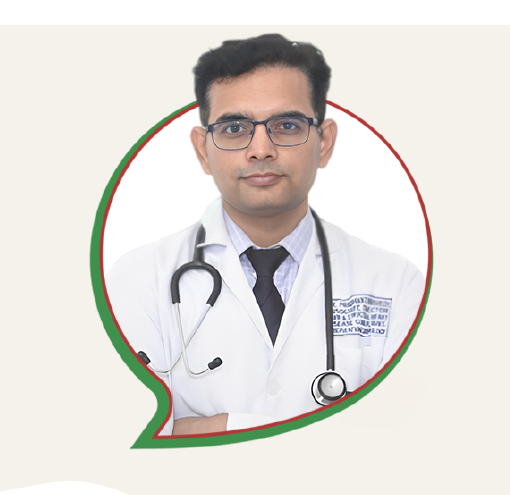
Dr. Prashant Dwivedi
Interventional and Structural Heart Cardiologist with expertise in TAVR, TMVR, MitraClip and advanced cardiac procedures.